Prices in Bulgaria in 2026: What It Really Costs to Live by the Sea
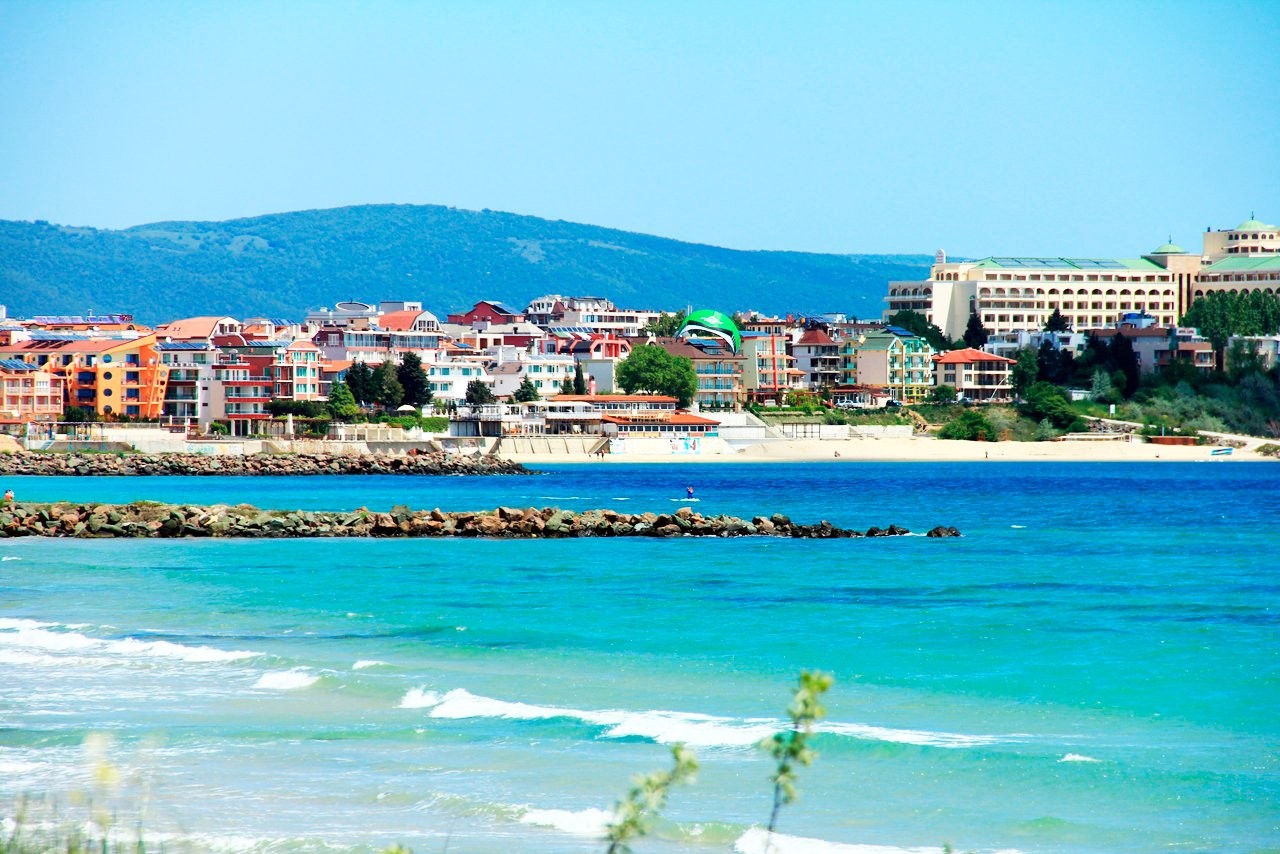
Life in Bulgaria in 2026 is an affordable option for anyone planning to relocate, live there long-term, or buy their own property on the coast. But your total budget depends on more than just the cost of housing, rent, or apartment upkeep — it also depends on grocery prices, utilities, and other everyday expenses.

How Much Does It Cost to Live in Bulgaria by the Sea in 2026
The cost of living depends on the city you choose, the season, the type of housing, and your usual spending habits.
What Monthly Budget Does One Person Need
The main expense is housing, which typically requires setting aside around €350–600 a month.
But there's also a list of additional costs to keep in mind:
- groceries and other household goods — €200–300 a month;
- utilities, mobile service, internet — €50–100 a month;
- transport, restaurants and cafés, and other entertainment — €150–300 a month.
In total, one person needs around €900–1,300 a month on average to live comfortably on the Black Sea coast without cutting corners.
How Much a Couple or a Family with a Child Spends
Costs don't rise proportionally for couples, since some expenses stay shared — housing, utilities, internet. So €1,400–1,900 a month is usually enough for two adults to live comfortably.
A family with two adults and a child will need roughly €1,800–2,500 a month, depending on the child's age.
Housing Prices on the Bulgarian Coast
The property catalog lists a wide range of properties, with prices that depend on the specific location, condition, and type of property.

How Much It Costs to Rent an Apartment by the Sea
On average, prices in Bulgaria for renting a 1-bedroom or small 2-bedroom apartment range from €350–600 a month. In the most popular areas with well-developed infrastructure, rents start at €700–900 and up.
Property Purchase Prices in Bulgaria
Current prices in Bulgaria for 2026 range from €50,000–60,000 for small apartments to €100,000–150,000 and up for properties by the sea or within walking distance of the beach.
What Determines the Price of an Apartment
Property purchase prices depend on a number of factors:
- the specific location;
- distance to the sea;
- size and layout;
- condition and finishing;
- the complex's infrastructure;
- the view from the windows;
- the type of property.
All of these factors together shape the real estate market's pricing in Bulgaria for 2026.
How Much Groceries Cost in Bulgaria
Compared to many Western European countries, grocery prices in Bulgaria can be considered relatively affordable.
Average Prices for Basic Groceries in 2026
Approximate prices for popular grocery items:
- Milk (1 L) — €1.6–1.9.
- White bread (500–650 g) — €1–1.5.
- Eggs (10–12 pcs) — €2–4.
- Chicken (1 kg) — €5–8.
- Potatoes (1 kg) — €1–1.5.
- Sunflower oil (1 L) — €2.
Prices listed do not include promotional discounts.
Supermarkets, Markets, and Eating Out
The average restaurant bill per person is €7–12. Given monthly spending, shopping at markets and supermarkets is a much more budget-friendly option.
Utilities and Housing Maintenance
The final amount depends on the size of the home, the number of residents, the season, and the heating method.
Electricity, Water, Heating, and Air Conditioning
| Expense | Approximate Monthly Cost |
| Electricity | €30–70 |
| Water | €10–25 |
| Heating | €40–120 during cold months |
| Air conditioning | included in the electricity bill |
Overall, monthly utility bills add up to about €95–150.
Internet, Mobile Service, and Other Regular Expenses
It's hard to imagine life in Bulgaria without mobile service and internet. Fiber-optic internet typically costs around €10–20 a month, while a mobile plan with a data package runs about €10–20 per person.
You should also factor in building maintenance fees: for a typical apartment building, this comes to around €10–40 a month.
Transportation Costs on the Bulgarian Coast
Transportation costs depend on the specific city and your lifestyle.
Public Transport in Burgas and Varna
Public transport is very well developed in Burgas and Varna:
- A single bus ticket in Varna costs €1 for a trip under 60 minutes and €1.30 for 90 minutes. A day pass costs €2.
- In Burgas, paying with an electronic card, a trip costs around €0.60 (with transfers within 45 minutes).
One person needs roughly €30–60 a month for regular public transport use.
Costs of Owning a Car
If you own a car, the main expenses are fuel, insurance, seasonal tire changes, maintenance, parking, and repairs.
In August 2026, the average price of A-95 gasoline in Bulgaria was around €1.53–1.54 per liter, and diesel fuel was around €1.77–1.79 per liter.
Prices at Cafés, Restaurants, and Entertainment Venues
Eating out and entertainment are a separate expense category that depends on lifestyle.

How Much Dining Out Costs
On average, a cup of coffee at a café costs €1.5–3. A full meal at a budget-friendly restaurant runs €8–15 per person, while a fast-food combo costs around €9. Dinner for two at a regular restaurant costs €35–50.
Leisure, Sports, and Everyday Entertainment
Entertainment costs depend on what you choose to do. For example, a movie ticket costs €7–9 per person, a monthly gym membership runs around €30–45, and a single yoga or CrossFit session costs €8–12.
Medical and Other Everyday Expenses
The exact amount for this category depends on how often you see specialists and your overall consumption level.
Cost of Private Healthcare and Insurance
Private clinic visits start with a doctor's consultation, which is billed separately and costs around €30.
For regular access to private healthcare, you can get health insurance, with the cost depending on:
- age;
- the scope of services included;
- the coverage limits of the included medical facilities.
€30–80 a month per person is typically enough to cover medical expenses and insurance.
Household Services, Clothing, and Other Purchases
Household services don't require a large budget. For example, an apartment cleaning costs €19 an hour, and a standard men's haircut costs around €13.
The cost of clothing depends on the brand and the store:
- a pair of jeans — €55–60;
- a summer dress — €35–40;
- athletic shoes — €90.
€100–200 a month is usually enough for one person to cover household supplies, cosmetics, clothing, services, and other small purchases.
Where It's Cheaper to Live by the Sea: Burgas, Varna, or Resort Towns
The cost of living by the sea in resort towns depends on tourist demand, the season, and the local infrastructure.
Cost of Living in Burgas and Varna
Burgas is a popular choice for those who want a moderate monthly budget and the option to live by the sea year-round.

Varna is the largest city, with plenty of entertainment options.
Based on current prices, living costs in Varna are about 13.6% higher without rent, and 15.2% higher with rent, compared to Burgas.
Sunny Beach, Nessebar, Saint Vlas, and Other Resorts
Sunny Beach offers a diverse range of housing and well-developed tourist infrastructure.
Nessebar lets you combine seaside living with developed urban infrastructure and a historic atmosphere.
Saint Vlas is a quiet resort with high-quality residential complexes by the sea.
The Sundays team can help you find the resort that's right for you: «We'll help you find the best property to match your budget!».
How Costs Change Depending on the Season
Seasonality is one of the main factors that affects the cost of living on the Bulgarian coast.
Summer Prices During Tourist Season
The tourist season runs from June to September, when the coast is at its busiest. Prices rise for housing rentals, cafés and restaurants, and various entertainment options, but grocery prices at supermarkets stay the same.
How Much It Costs to Live on the Coast in Winter
As the flow of tourists slows down in winter, living costs in tourist areas drop too. However, a new expense appears — heating. This is especially relevant for owners of two-bedroom apartments or larger three-bedroom apartments with electric heating or air conditioners that double as heaters.
What Monthly Budget to Plan for Living in Bulgaria
Once you know the cost of living in a specific city, you can roughly calculate an optimal monthly budget.
Sample Budget for One Person
For one person, renting a studio apartment costs around €350–600. Add about €250–350 for groceries, €100–180 for internet and utilities, €30–100 for transportation, another €100–120 for cafés and entertainment, and €70–150 for household expenses.
€1,000–1,300 a month is enough for a comfortable lifestyle without constant belt-tightening.
Sample Budget for a Couple and a Family
| Expense Category | Couple | Family with a Child |
| Housing | €450–700 | €550–850 |
| Groceries | €450–600 | €550–750 |
| Utilities and connectivity | €130–220 | €150–250 |
| Transportation | €60–150 | €80–180 |
| Cafés and entertainment | €150–300 | €150–300 |
| Household and other expenses | €100–200 | €150–300 |
| Total | €1,340–2,170 | €1,630–2,630 |
Is It Worth Living in Bulgaria by the Sea in 2026
Weighing costs against quality of life, living by the sea in Bulgaria remains an attractive option in 2026. Thanks to the variety of properties on the market and quick-purchase services, tourists from other countries can find the ideal option to relocate to Bulgaria for permanent residence.
FAQ
How much money do you need per month for a comfortable life in Bulgaria?
For one person, including rent, you'll need around €1,000–1,300 a month. If you own your apartment, your budget can be lower.
How much does it cost to rent an apartment by the sea?
In 2026, a long-term rental of a small apartment on the coast typically runs around €350–600 a month. But prices can be higher in popular areas and during peak tourist season.
Where is it cheaper to live — Burgas, Varna, or a resort town?
Burgas is, on average, cheaper than Varna. Resort towns offer better rental deals outside the tourist season, since rental prices rise in summer.
What are the main expenses to factor in when relocating?
You'll need to account for renting or buying a home, utilities and internet, groceries and transportation, medical costs and insurance, mobile service, household services and clothing, dining out, entertainment and sports, and apartment or complex maintenance fees.
How much more expensive does life on the Bulgarian coast get in summer?
In summer, tourism-related costs go up — housing rentals, restaurants, entertainment, and certain services. That said, basic purchases at supermarkets and stores don't always get more expensive just because of the season.